

What Is Citri Grandis Exocarpium and How Is It Used?
Citri Grandis Exocarpium is a traditional dried citrus peel material closely associated with Huajuhong and Huazhou in Guangdong, China. The name Citri Grandis Exocarpium refers to the dried outer peel of immature or nearly mature pomelo fruit from recognized botanical sources. In traditional botanical applications, Citri Grandis Exocarpium is valued for its distinctive citrus aroma, bitter and slightly pungent taste, characteristic appearance, and long history of use.
For people researching Huajuhong, herbal tea, dried citrus ingredients, or botanical raw materials, understanding Citri Grandis Exocarpium is important because the name describes a specific material rather than simply any Dried Pomelo Peel. Its botanical source, harvesting stage, processing method, appearance, storage, and intended application all affect the final product.
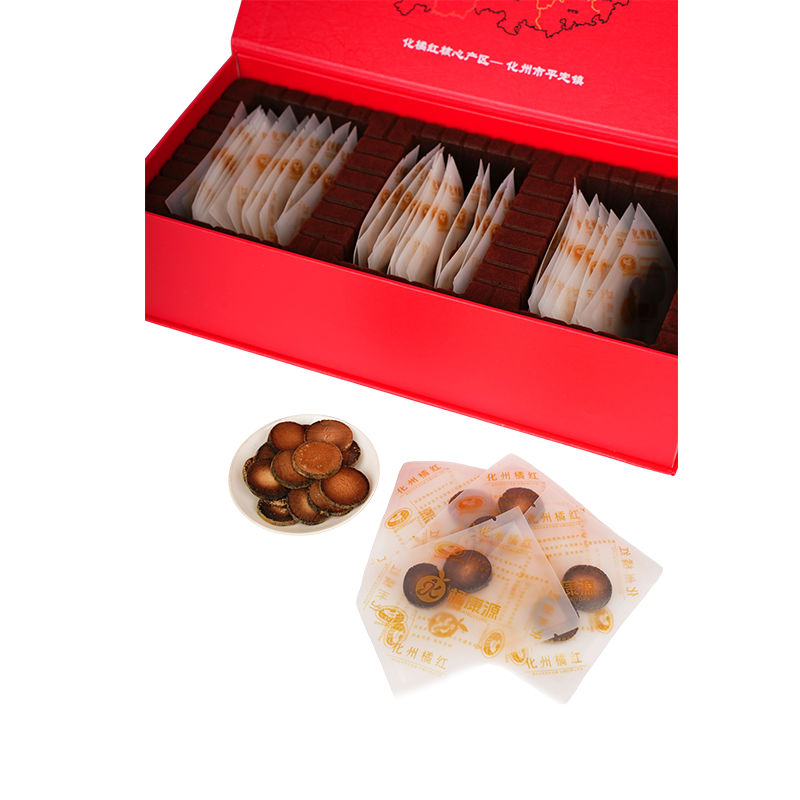
Citri Grandis Exocarpium is the Latinized product name commonly used for Huajuhong. It is traditionally obtained from the dried outer peel of immature or nearly mature fruit belonging to recognized Citrus grandis sources. One important source is Citrus grandis 'Tomentosa', commonly associated with the hairy pomelo used for traditional Huajuhong Production. Botanical references also recognize pomelo sources within the broader definition of Citri Grandis Exocarpium.
The word “Exocarpium” refers to the outer fruit covering or outer peel. Therefore, Citri Grandis Exocarpium can be understood as a specific dried citrus exocarp material. In practical commercial use, the term Citri Grandis Exocarpium is closely connected with Huajuhong, Tomentose Pummelo Peel, and traditional dried pomelo peel products.
However, Citri Grandis Exocarpium should not automatically be used as a name for every Dried Pomelo Peel product. The botanical source and processing history matter. A general dried pomelo peel product may come from mature fruit, different cultivars, or different processing methods, while Citri Grandis Exocarpium has a more specific traditional identity.
Huajuhong is the Chinese name most closely associated with Citri Grandis Exocarpium. When international buyers search for Citri Grandis Exocarpium, they will often encounter Huajuhong as the common product name. In English commercial descriptions, the two terms can therefore appear together: Huajuhong, also known as Citri Grandis Exocarpium.
The relationship becomes particularly clear when looking at the traditional production area. Huazhou, Guangdong, is strongly associated with Huajuhong production, and scientific literature identifies Huazhou as a prominent production area for Citri Grandis Exocarpium.
Our products are based in Huazhou and focus on the traditional identity of Huajuhong while applying modern production and quality-control practices. We combine standardized planting, careful raw material selection, controlled processing, drying, inspection, packaging, and export-oriented supply to serve buyers in Southeast Asian markets.
The main traditional botanical source associated with Citri Grandis Exocarpium is Citrus grandis 'Tomentosa', a pomelo type characterized by its hairy young fruit surface. Reference materials also describe Citrus grandis or related accepted botanical nomenclature as a source. Because citrus taxonomy has changed over time, scientific names can appear differently between older and newer references.
The immature fruit is particularly important. Traditional Citri Grandis Exocarpium is not simply produced by taking the peel from a fully mature pomelo and leaving it to dry. The fruit is harvested at an appropriate immature or nearly mature stage, after which the peel undergoes specific preparation and drying procedures.
This harvesting stage is one of the factors that helps distinguish Citri Grandis Exocarpium from ordinary dried pomelo peel. For commercial buyers, asking about the botanical source and fruit maturity is therefore a practical way to understand what type of dried citrus peel is being offered.
Citri Grandis Exocarpium has a distinctive appearance after traditional processing. Depending on the botanical source and processing method, the peel can be shaped into several sections and folded or pressed into recognizable forms. Traditional descriptions of the hairy pomelo type mention five-pointed or seven-pointed forms, while individual pieces may resemble elongated leaves after being unfolded.
The outer surface of Citri Grandis Exocarpium from Citrus grandis 'Tomentosa' may be yellow-green or yellow-brown and can contain fine hairs, wrinkles, and small oil glands. The inner surface is generally lighter in color and can show visible vein-like structures.
Texture is another useful characteristic. Properly dried Citri Grandis Exocarpium is relatively crisp and can break easily. The exact color, thickness, aroma, and surface appearance may vary according to harvesting stage, processing, drying conditions, and storage.
Traditional Citri Grandis Exocarpium processing begins with harvesting immature or nearly mature fruit. Reference descriptions explain that the fruit can be briefly blanched, after which the peel is cut into several sections. The pulp and part of the inner white material are removed, the peel is shaped or pressed, and it is then dried.
Modern production can build additional quality-control procedures around this traditional process. These procedures may include raw material inspection, cleaning, controlled drying, grading, moisture management, packaging inspection, and storage management.
Our approach combines traditional product characteristics with modern production management. We pay attention to raw material selection, planting practices, harvesting, cleaning, processing, drying, inspection, and packaging. For export orders, packaging can be adjusted according to wholesale quantity, retail requirements, gift presentation, and private-label specifications.
Processing has a direct effect on the physical characteristics of Citri Grandis Exocarpium. Cutting determines the final shape, removal of excess inner material affects thickness and texture, and drying affects moisture and storage stability. If drying is insufficient, the product may be more vulnerable to moisture-related quality problems. If processing is inconsistent, different batches can show noticeable differences in appearance and texture.
Modern research on citrus medicinal and food-related materials also shows that processing can influence the composition of natural phytochemicals. Different processing conditions can cause chemical changes such as oxidation, hydrolysis, polymerization, and isomerization.
For this reason, Citri Grandis Exocarpium should not be viewed as a raw peel that simply needs to be dried. The entire chain, from fruit selection through processing and storage, contributes to the final product.
Citri Grandis Exocarpium has a characteristic citrus aroma. Traditional descriptions commonly describe the material as aromatic, with a bitter and slightly pungent taste. The intensity of the aroma can vary depending on raw material quality, processing, drying, age, and storage conditions.
The citrus aroma is one reason Citri Grandis Exocarpium is suitable for herbal tea and botanical beverage applications. When brewed or combined with other botanical ingredients, the dried peel can contribute a recognizable citrus character.
For quality inspection, aroma should be evaluated together with appearance, cleanliness, dryness, and packaging condition. A strong aroma alone does not prove that a batch is superior, just as a lighter aroma does not automatically indicate poor quality.
Citri Grandis Exocarpium has a long history in traditional Chinese herbal practice. Historical research indicates that its use developed over a long period, with records extending back many centuries. A modern review of its history and standardization describes early records and the subsequent development of its traditional applications.
Traditionally, Citri Grandis Exocarpium has been used as a dried botanical material in herbal preparations. In modern commercial contexts, it can also appear in herbal tea, botanical products, traditional wellness products, specialty food applications, and gift products.
When discussing traditional uses, it is important to distinguish traditional practice from modern medical treatment. Citri Grandis Exocarpium is a traditional botanical ingredient, and traditional descriptions should not be interpreted as a guarantee of medical effects for an individual consumer.
One of the most practical modern applications of Citri Grandis Exocarpium is herbal tea. Dried pieces can be used alone or combined with other suitable botanical ingredients to create a citrus-oriented tea blend.
For a simple preparation, a small amount of clean Citri Grandis Exocarpium can be placed in a cup or teapot and brewed with hot water. The amount and steeping time can be adjusted according to taste and product specifications. Some users prefer a stronger citrus aroma, while others prefer a lighter infusion.
Citri Grandis Exocarpium can also be incorporated into commercial tea blends. For tea manufacturers, important purchasing considerations include consistent piece size, cleanliness, dryness, aroma, packaging, and stable supply. These factors help make production and packaging more predictable.
Citri Grandis Exocarpium can be used as a raw material in a range of traditional botanical products. Its distinctive name, origin, citrus aroma, and traditional background make it attractive for products that emphasize Chinese botanical culture.
Potential commercial formats include dried peel products, herbal tea blends, botanical gift boxes, specialty dried citrus products, and other traditional wellness-oriented products. The appropriate product format depends on the target market, local regulations, packaging requirements, and intended use.
For Southeast Asian markets, presentation can also be important. Vietnam, Thailand, Malaysia, Indonesia, and Singapore have diverse consumer preferences, so the same Citri Grandis Exocarpium raw material may be supplied in bulk packaging, retail packaging, or customized gift packaging according to customer requirements.
Citrus peel is naturally rich in various phytochemicals. Research on Citri Grandis Exocarpium and related citrus materials has identified flavonoids, volatile oils, and other naturally occurring compounds. Studies of the aging process have also examined changes in flavonoid-related metabolites over time.
These findings help explain why Citri Grandis Exocarpium continues to attract interest from researchers and product developers. However, the exact chemical profile of a commercial batch can vary. Botanical source, growing conditions, maturity, processing method, drying conditions, storage time, and storage environment can all influence the final composition.
For commercial applications, it is therefore better to describe Citri Grandis Exocarpium as a natural citrus botanical material rather than making unsupported claims about specific health outcomes. If a customer needs detailed chemical information, product-specific laboratory testing is the appropriate way to establish it.
Aging is an important subject in traditional Citri Grandis Exocarpium production. Modern research has investigated how aging affects the chemical composition of Citri Grandis Exocarpium and reported changes in flavonoid-related metabolites and antioxidant activity during the aging process.
From a practical perspective, aging should be managed rather than treated as a simple number on a label. Storage conditions, moisture control, ventilation, packaging, and environmental stability can influence how a dried citrus product changes over time.
For this reason, when purchasing aged Citri Grandis Exocarpium, buyers should ask for clear information about the stated aging period, storage conditions, product batch, packaging, and quality specifications. This creates a more reliable basis for comparing different products.
Quality assessment should start with the raw material. A supplier should be able to explain the botanical source and general production area. If the product is specifically sold as Huajuhong or Citri Grandis Exocarpium, the supplier should also be able to explain the processing method and product form.
Next, inspect the physical appearance. Look for clean pieces with a reasonably consistent appearance, appropriate dryness, and no obvious foreign matter. The color should be consistent with the agreed specification, while the aroma should be characteristic of dried citrus peel.
Packaging should also receive attention. Citri Grandis Exocarpium is a dried plant material and should be protected from excessive moisture during storage and transportation. Moisture-resistant inner bags and suitable outer cartons can help protect the product during long-distance shipping.
For wholesale buyers, product quality is only one part of the purchasing decision. Stable supply, lead time, packaging, documentation, communication, and customization can be equally important.
We support wholesale Citri Grandis Exocarpium supply with different packaging options according to customer requirements. Standard bulk packaging can include moisture-resistant inner bags, cartons, or woven bags. Retail customers can also discuss customized packaging, gift boxes, and private-label solutions.
For regular wholesale orders, the production lead time is normally around 7–20 working days after order confirmation, depending on quantity, raw material availability, processing requirements, packaging, and customization. Payment is generally arranged by T/T, with a deposit before production and the balance before shipment.
Our supply model is designed to support customers in Southeast Asian markets. We focus on providing Huajuhong and Citri Grandis Exocarpium products with clear specifications and practical export packaging.
For bulk orders, sea freight is generally suitable for larger shipments. Air freight can be considered when faster delivery is required, while express delivery is convenient for samples or small quantities. The final transportation method depends on order size, destination, delivery schedule, and customer requirements.
We also support OEM and private-label projects for qualified wholesale customers. Packaging can be developed according to the intended market, product positioning, quantity, and customer specifications.
Quality control should cover more than the finished appearance. Our production approach considers the entire process, from raw material selection and cultivation to processing, drying, inspection, and packaging.
Before shipment, product checks can cover appearance, cleanliness, dryness, quantity, packaging integrity, and other agreed specifications. For customized or commercial orders, additional inspection requirements can be discussed before production.
This whole-process approach is particularly useful for overseas buyers because a stable product specification makes downstream packaging, distribution, and retail operations easier to manage.
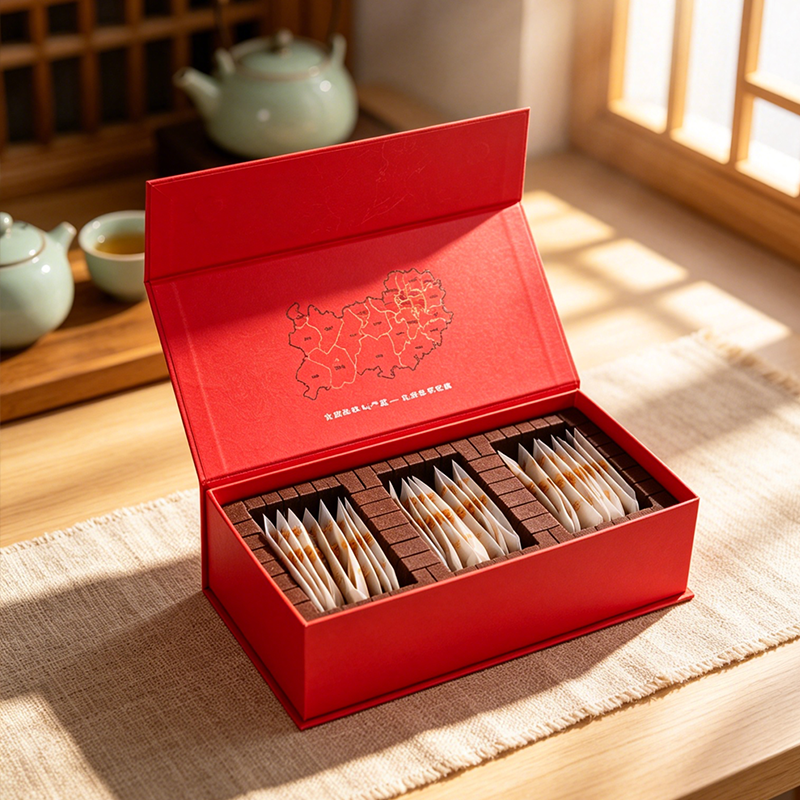
Citri Grandis Exocarpium and Dried Pomelo Peel are related, but they should not automatically be treated as identical terms. Citri Grandis Exocarpium refers to a more specific traditional dried outer peel material, while Dried Pomelo Peel is a broader commercial description.
| Item | Citri Grandis Exocarpium | Dried Pomelo Peel |
|---|---|---|
| Definition | Specific traditional dried citrus peel material | General dried pomelo peel description |
| Botanical source | Recognized Citrus grandis sources | Can come from different pomelo varieties |
| Fruit maturity | Generally immature or nearly mature fruit | Can vary according to product |
| Processing | Traditional cutting, preparation, shaping and drying | Processing varies by supplier |
| Traditional identity | Closely associated with Huajuhong | Broader ingredient category |
| Applications | Traditional botanical products and herbal tea | Tea, food and botanical applications |
This distinction is especially important when buying wholesale. If a customer specifically needs Citri Grandis Exocarpium, the supplier should confirm the botanical source and production specifications rather than simply providing any dried pomelo peel.
Citri Grandis Exocarpium should be stored in a clean, dry environment protected from excessive humidity. Packaging should provide suitable protection from moisture, contamination, and physical damage. This is especially important in humid climates and during long-distance transportation.
After opening a package, it is sensible to reseal the remaining product properly and avoid unnecessary exposure to humid air. Storage areas should also be kept away from strong odors because dried botanical materials can absorb surrounding smells.
For commercial warehouses, storage conditions should be selected according to the product specification and local environment. Large quantities should be monitored regularly for packaging integrity and signs of moisture exposure.
Citri Grandis Exocarpium is the English or Latinized product name commonly associated with Huajuhong. Both terms are closely connected with the traditional dried outer peel of immature or nearly mature pomelo fruit.
Yes, but the term is more specific. Citri Grandis Exocarpium refers to a recognized traditional dried citrus peel material, while Dried Pomelo Peel can describe a much wider range of dried pomelo peel products.
Citri Grandis Exocarpium is traditionally used as a botanical material and is also used in herbal tea, traditional botanical products, specialty dried citrus products, wellness-oriented products, gifting, and commercial ingredient applications.
Traditional descriptions characterize Citri Grandis Exocarpium as aromatic, bitter, and slightly pungent. The exact sensory profile can vary according to botanical source, maturity, processing, drying, aging, and storage.
Citri Grandis Exocarpium is strongly associated with Huazhou and other production areas in southern China. Huazhou in Guangdong is particularly recognized as a major production area.
Yes. Citri Grandis Exocarpium can be used as a dried citrus ingredient in herbal tea and botanical tea blends. The quantity, brewing method, and combination with other ingredients should be adjusted according to the intended product.
Wholesale buyers should provide the required botanical source, product form, quantity, packaging, quality specifications, destination market, and customization requirements. We can discuss bulk supply, packaging customization, OEM, and private-label requirements for qualified customers.
Huazhou has a strong connection with Citri Grandis Exocarpium, and our production is based in this important origin area. We focus on standardized planting, careful raw material management, modern processing, quality inspection, and export-oriented packaging.
Our goal is straightforward: provide consistent Huajuhong and Citri Grandis Exocarpium products that are practical for international buyers. We work with wholesale distributors, herbal tea businesses, specialty food businesses, wellness-oriented product developers, retailers, and private-label customers.
We also understand that overseas customers need more than a product name. They need stable specifications, clear communication, appropriate packaging, reasonable production lead times, and reliable transportation arrangements. That is why we integrate planting, processing, inspection, packaging, and export supply into one production model.
Citri Grandis Exocarpium is a distinctive traditional dried citrus peel material closely associated with Huajuhong and Huazhou. Its identity is connected with recognized pomelo sources, immature or nearly mature fruit, traditional processing, characteristic appearance, citrus aroma, and long-standing botanical applications.
Understanding Citri Grandis Exocarpium is useful whether you are a consumer researching Huajuhong, a tea business developing a botanical blend, a distributor looking for dried citrus ingredients, or a wholesale buyer sourcing products for Southeast Asian markets.
The most important point is that Citri Grandis Exocarpium is more specific than a generic Dried Pomelo Peel description. When purchasing it, look beyond the name and evaluate botanical source, origin, harvesting stage, processing, appearance, dryness, aroma, packaging, and supply consistency.
With standardized planting, careful processing, quality inspection, and export-oriented packaging, we provide Huajuhong and Citri Grandis Exocarpium products for wholesale, herbal tea, traditional botanical products, gifting, retail, OEM, and private-label applications. Our focus is on maintaining the recognizable characteristics of Huazhou-origin Huajuhong while making the product practical for modern international supply.
Copyright @ Xiangyun Platform Information Technology Co., Ltd All rights reserved Filing Number: CP Reserve123456789-1
Powered by Xiangyun Platform Technical Support: Xiangyun Platform Disclaimer Website Map | RSS | XML
Mapa do siteEste site usa cookies para garantir que você tenha a melhor experiência em nosso site.
 English
 Español
 Pусский
 Français
 Deutsch
 日本語
日本語 한국어
한국어 العربية
 Italiano
 ไทย
ไทย Indonesia
 Melayu
 Tiếng Việt
 中文
中文 Magyar
 မြန်မာ
 ພາສາລາວ
 Filipino
 ខ្មែរ
ខ្មែរ


Comente
(0)